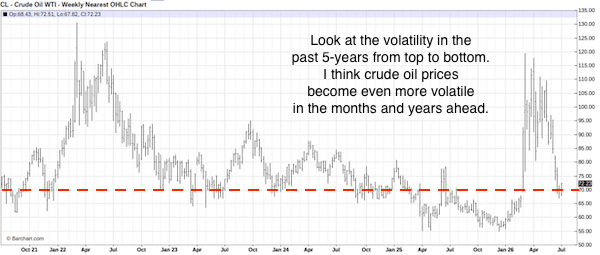



The landscape of global energy is undergoing a quiet but profound transformation that threatens to dismantle the relative stability the world has relied upon for decades. For sixty years, OPEC functioned as the ultimate stabilizer of the global oil market, acting as a “swing producer” that could adjust output to keep prices within a manageable band, effectively dampening the shocks of geopolitical crises. However, that era of coordinated management is rapidly fraying. As seen with the United Arab Emirates and signals from major producers like Iraq, nations are increasingly prioritizing their own national budget needs and infrastructure-rebuilding goals over the group’s collective production quotas. These countries have invested billions to expand their capacity and now view the cartel’s constraints as an obsolete obstacle to their economic growth.
This shift toward autonomous volume strategies signals a move away from the managed stability of the past and toward a more volatile future. When a cartel loses its cohesion, the market loses its primary shock absorber. Without a unified mechanism to manage supply, we are likely to see more frequent and severe price cycles, as individual nations race to maximize their own market share. This “race to the bottom” creates a high-stakes environment where prices become hyper-reactive to sudden geopolitical events, such as the ongoing tensions surrounding transit routes in the Strait of Hormuz. For businesses and producers, this means the end of predictable energy costs, as the global market shifts from a framework of managed outcomes to one of systemic, uncoordinated competition.
Interestingly, this disintegration of price-setting power is exacerbated by the fact that the “floor” of the market is no longer guaranteed by a central authority. In the past, the cartel could effectively set a price floor by pulling barrels off the market during downturns; today, the pressure to monetize resources for domestic stability often compels even cash-strapped producers to keep the taps open, regardless of global price signals. This creates a feedback loop of persistent oversupply during periods of cooling demand, which can lead to price collapses that punish higher-cost producers, including much of the U.S. shale industry, while fundamentally altering the economics of energy capital expenditures worldwide.
The ripple effects of this disintegration extend far beyond the oil patch, influencing the broader global economy and the strategic direction of major nations. As displaced producers seek new, strategic bilateral energy partnerships, we are seeing a fragmentation of global trade that diminishes traditional regional influence and creates new, shifting axes of energy alliances. This extreme unpredictability complicates long-term planning, hedging, and infrastructure decisions for everyone from massive logistics firms to individual farm operators.
Ultimately, this volatility reinforces a strategic imperative for nations to pursue energy independence through alternative sources, not merely as an environmental goal, but as a necessary insurance policy against a global energy system that can no longer guarantee stability. We are moving toward a reality where the “inches” of margin for error are shrinking, and the ability to navigate a world without a global energy anchor will define the success of the next generation of business operators and investors.
Bottom line, I’m thinking we are entering a much more volatile period for energy prices, especially crude oil, as overall demand ebbs and flows, trying to adjust to more alternative energy sources, more AI-driven demand, big overall changes in infrastructure as technology evolves, and the eventual breakdown of OPEC. Meaning, I think we will see moments of time where crude oil prices come under extremely heavy price pressure, but then will rebound back to higher levels as the market tries to better understand and gauge overall supply and demand in this new AI-driven world. As an end user, I like the thought of using the bigger breaks in price to lock in supply. Then sit patiently. Then again, use the bigger breaks in price to lock in more supply. Then sit patiently. Then again, use the bigger breaks in price to lock in more supply. Rinse and repeat… (Source: MarketWatch)