


Private equity seems to have lost its appetite for the once red-hot “foodtech” sector. Wildly overhyped – and overvalued – experiments in things like fake meat, vertical farming, and every variation of food delivery imaginable have wrecked investor confidence. Adding to the pressure is a rapidly evolving regulatory environment, as well as shifting debate about the problems needing to be solved. Below is a look at what foodtech investors are thinking about the space in 2026 and areas where some might run into trouble.
Specialty Ingredients: Replacements for specialty ingredients is expected to remain a hot category. Tropical commodities like cocoa, chocolate, coffee, and vanilla that are experiencing production declines are particularly appealing to investors. Some see so-called “Mediterranean crops” like olive oil and grapes as the next opportunities for foodtech companies to fill a growing void. The issues facing ingredients like these and others is partly tied to increasing weather extremes but there are a host of contributing culprits, including labor shortages, supply chain disruptions, and higher production costs. Food manufacturers love the idea of replacements for these specialty ingredients because they provide a reliable supply and consistent cost. These replacement ingredients also tend to have very high margins of 20% or more, not to mention high and consistent demand among consumers. It’s also worth mentioning that a burgeoning shift away from processed foods is driving excitement about new types of colorants, flavors, and preservatives.
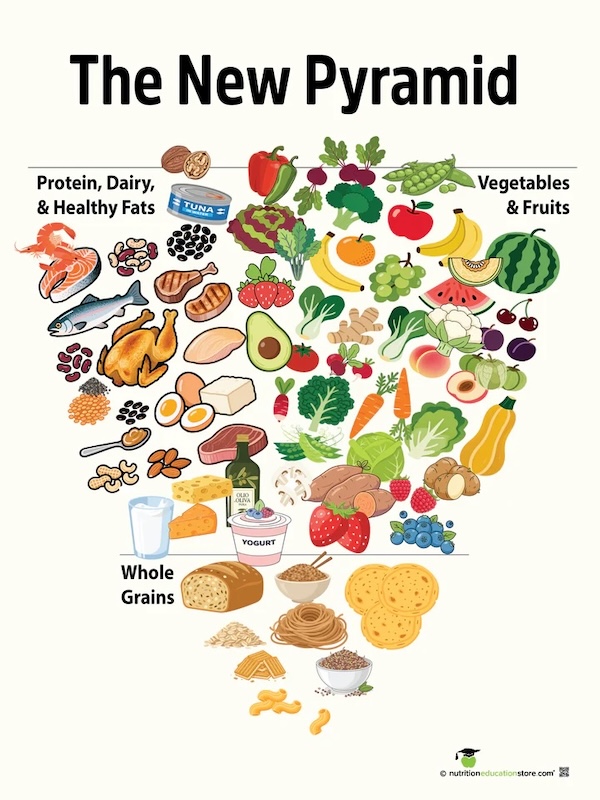
Nutrition: This is very specifically the idea of getting the majority of our required nutrients via the foods we eat, as opposed to daily vitamins or supplements. Importantly, this is separate from the “wellness” trend that has been dominant for many years now. That trend is defined as the “active pursuit of being in good health,” whatever that’s supposed to mean. Focusing on nutrition is geared toward those who are looking for something simpler and more attainable than glossy Instagram wellness hype. Nutrition has also gained prominence amid new Dietary Guidelines recently released by the US Food and Drug Administration (FDA), which dramatically changed decades of previous food recommendations. The new guidelines prioritize protein, fruits, vegetables, and whole grains, with protein now at the top. The new inverted food pyramid also urges Americans to sharply limit their intake of added sugars or non-nutritive sweeteners, and avoid “highly processed” foods and refined carbohydrates. The trend of dramatically boosting protein intake started long before the FDA’s food pyramid shakeup, and one of the big beneficiaries is a typically overlooked market – organ meat. According to a recent Bloomberg report, sales of beef offal have jumped +49% since 2020, and chicken offal has surged +388% in that time. Companies have found success in blending things like hearts and kidneys into other meats, like ground beef, and rebranding them as “ancestral” and “primal.” The protein obsession is also creating inroads for certain types of specialty and alternative proteins for use as a nutrition-boosting ingredient in other foods.
GLP-1 Effects: New kinds of personalized health and nutrition products geared toward GLP-1 users are being developed at a furious pace. They include everything from AI-powered platforms to manage the side effects of GLP-1 medications to botanicals that can alleviate those symptoms, as well as specialized foods, snacks, and beverages that might be better tolerated by users. Another side of that coin involves finding ingredients or substances that mimic the weight-loss effects of GLP-1 drugs but have fewer side effects. Those pursuing this path think there is a huge potential market of people who can’t get access to GLP-1 drugs because of tolerance issues, medical reasons, and costs. Alternatives to GLP-1 drugs are expected to be cheaper.
AI Impacts: Some foodtech trend watchers expect AI to greatly accelerate the R&D phase. They see AI compressing the development cycle from months down to mere days, while also imagining brand new products, identifying trends, gauging consumer response, and optimizing formulations that human R&D departments can’t match. AI technology is also ushering in a wide range of so-called “discovery platforms” that promise to land upon all kinds of new, marketable products and ingredients with myriad uses. Ai is also expected to be deployed to help improve supply chains, manage inventory, streamline order processing, and even predict demand.
Alternative Meats: Many of the developing trends don’t bode well for foodtech companies in the business of “alternative meats,” and we are already seeing that play out – several alternative meat companies have filed for bankruptcy or shut down operations recently (Believer Meats, Meti Foods). Others, like Beyond Meat, are facing substantial financial woes. Some are pivoting to the specialty ingredient market in a last-ditch effort to survive. There are many excuses for the failure of alternative meat products – not viable at scale, insufficient funding, poor leadership, etc. – but the biggest issue is that consumers were simply not as excited about food grown in bioreactors or composed of mystery ingredients as Silicon Valley thought they should be. Most objective observers see a bleak future for the alternative meats category and anticipate further consolidation as surviving companies fade away or get bought up for pennies on the dollar. There are a handful of companies that managed to raise money last year, according to AgFunder, but the alternative meats sector overall is expected to extend its struggle in 2026.
End of Self-GRAS? FDA Secretary Robert F. Kennedy Jr. proposed ending the so-called self-GRAS policy that allows food manufacturers to independently determine that their ingredient is “Generally Recognized As Safe” (GRAS) without notifying the U.S. Food and Drug Administration (FDA) or the public. Under the proposed changes, however, companies would be legally obligated to notify the FDA before marketing any food or feed substance under the GRAS designation. The food industry is worried that reforms to the GRAS mechanism could greatly lengthen the time and cost it takes to bring a new ingredient to market. Insiders expect the FDA to issue new rules early this year. (Sources: AgFunder News, Bloomberg, FoodDive, GreyB Analytics, Bright Green Partners)